Five Museums. One Incredible City.
Louisiana State Museums in New Orleans.
Experience Louisiana history, art, and culture at our landmark museums—with three located right on Jackson Square and two more just a pleasant walk or streetcar ride away.
THE CABILDO
701 Chartres Street, Jackson Square
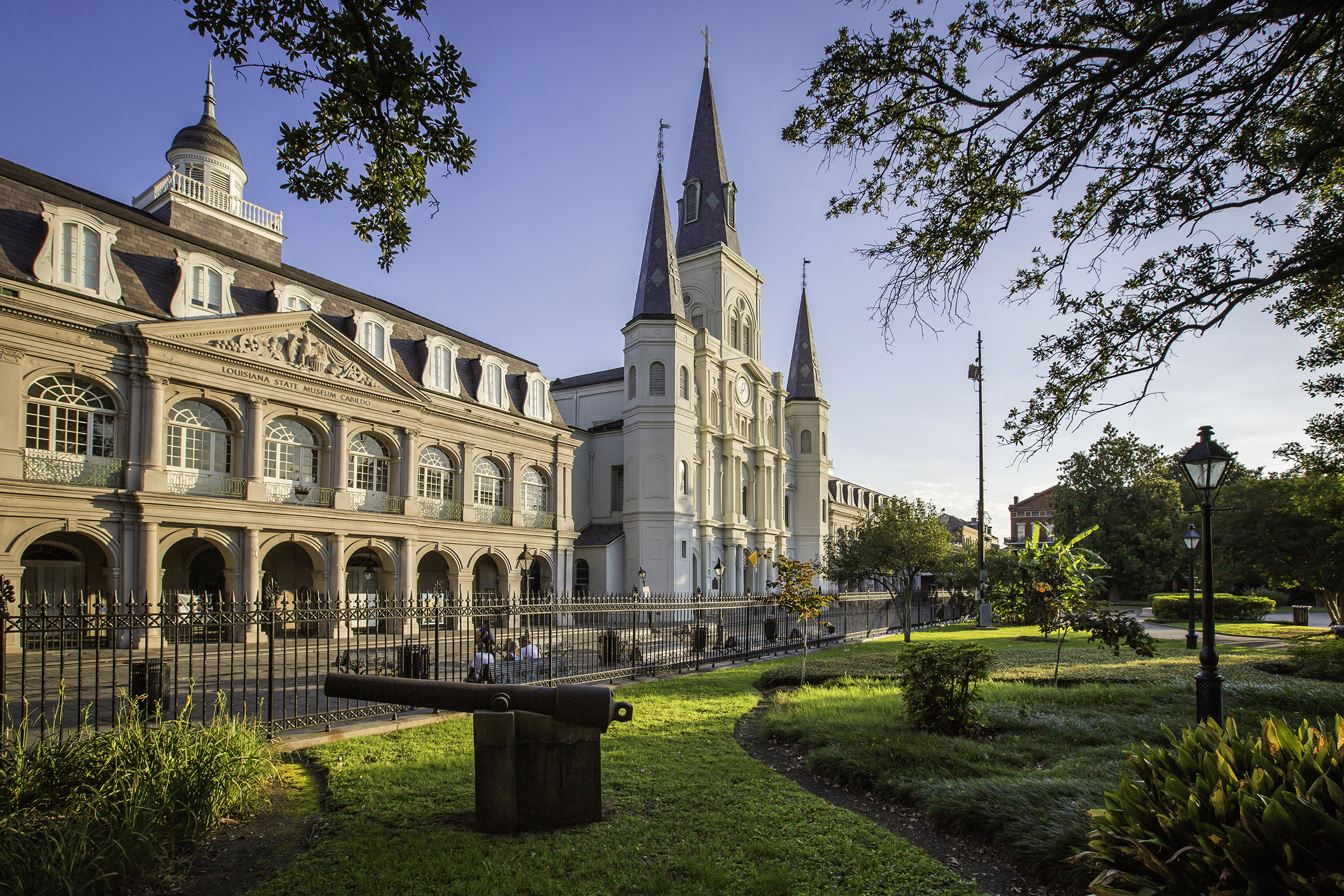
Built between 1795 and 1799 as the seat of Spanish colonial government in New Orleans, the Cabildo has witnessed some of the most important moments in Louisiana’s history. The Louisiana Purchase transfer ceremony was held here in 1803, officially bringing Louisiana into the United States. Over the centuries, the Cabildo has housed city hall, the state supreme court, a prison, and, since 1911, the Louisiana State Museum.
Visitors can explore more than three centuries of Louisiana history, art, and culture on three floors of exhibitions. Highlights include Napoleon’s death mask, eighteenth- and nineteenth- century Louisiana portraiture, and displays on the Battle of New Orleans, early city history, and regional artists. Enjoy the elegant interiors and views of Jackson Square and the Mississippi River from the second-floor galleries.
THE PRESBYTÈRE 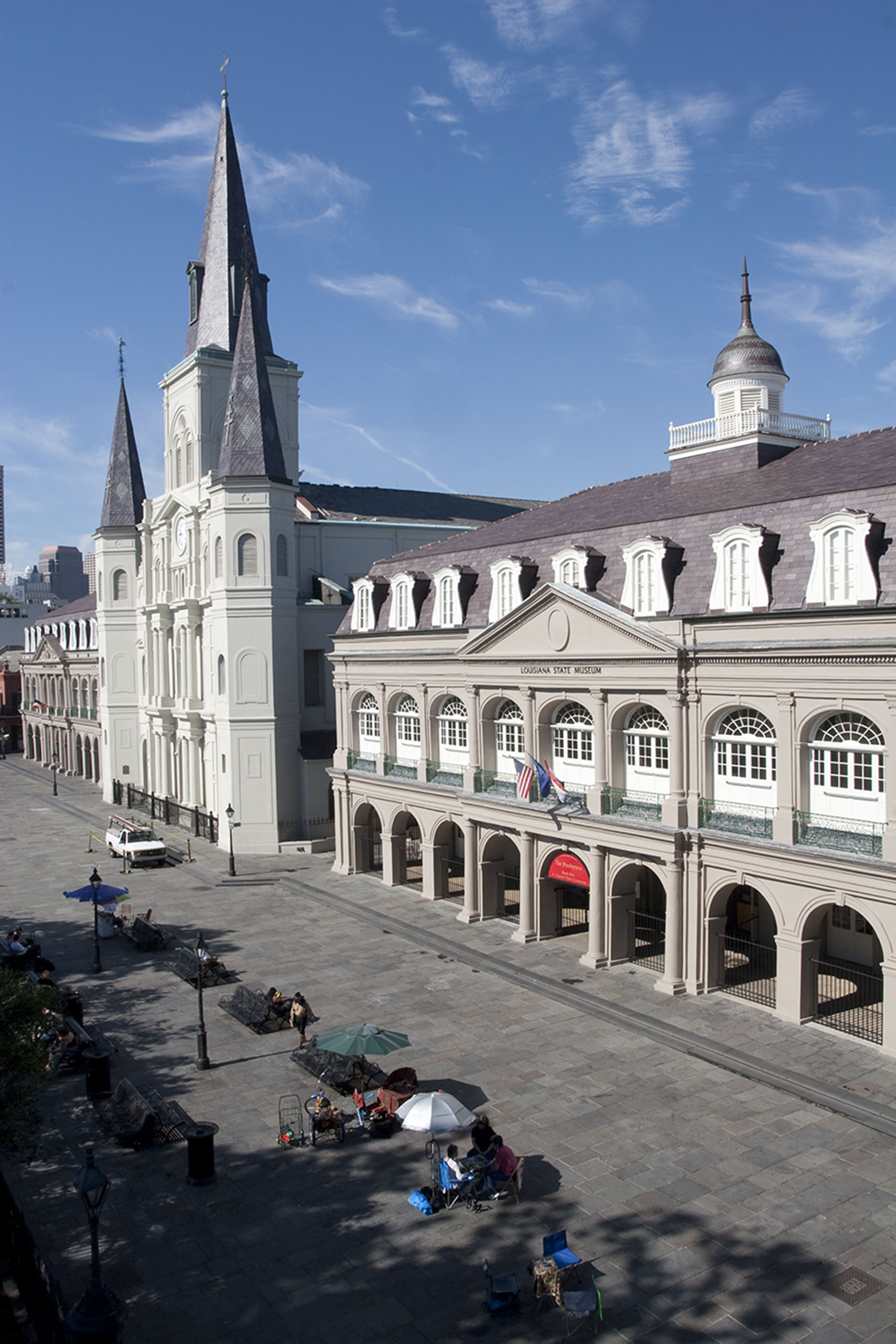
751 Chartres Street, Jackson Square
The Presbytère was built in the late eighteenth century to house Capuchin friars serving at St. Louis Cathedral. Together, the Cabildo and the Presbytère frame Jackson Square and create one of New Orleans's most iconic views. The Presbytère provided a home for several courtrooms, including the state supreme court, and commercial offices before it became part of the Louisiana State Museum.
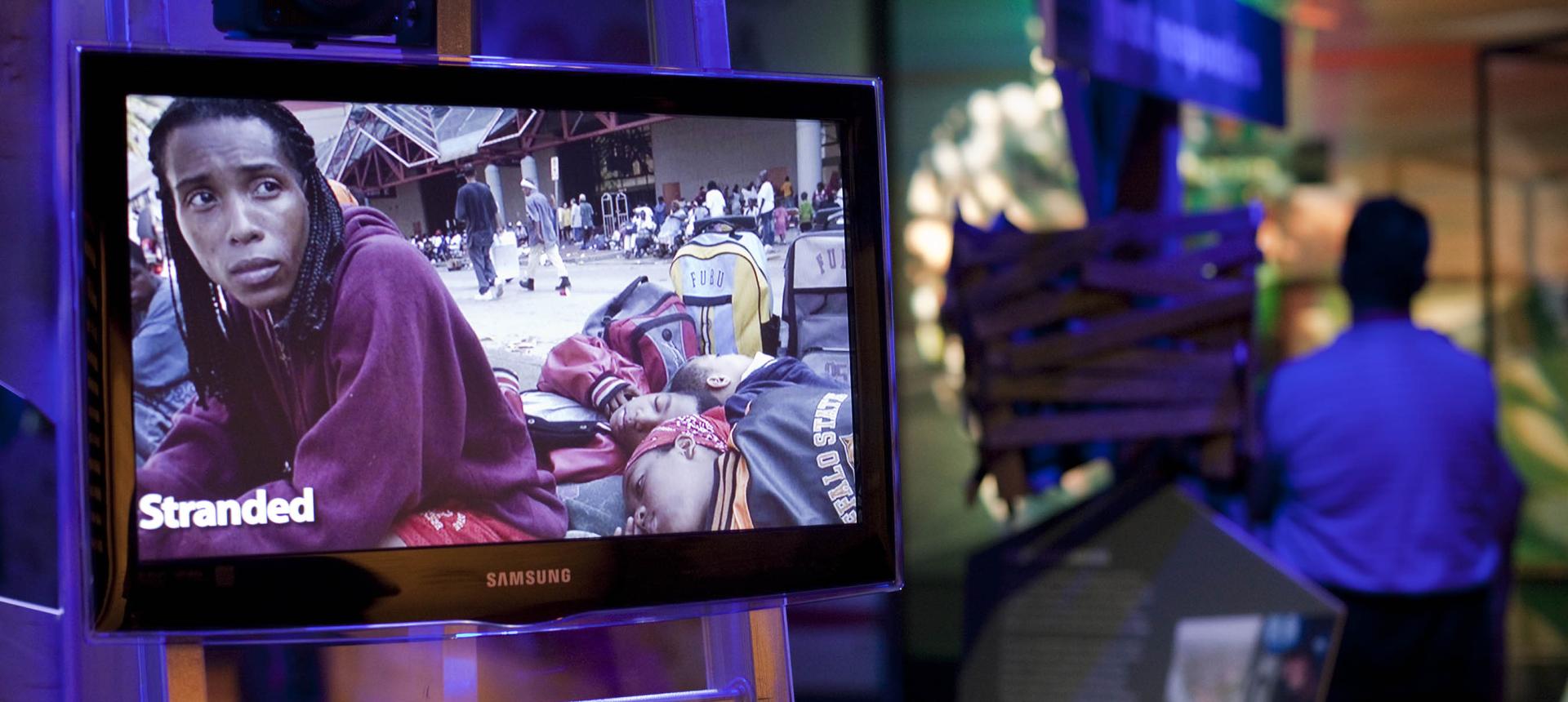
On the first floor, Living with Hurricanes: Katrina and Beyond explores the power and aftermath of hurricanes through eyewitness stories, video installations, and rare artifacts, including a diary written on an apartment wall and the flood-damaged grand piano of music legend Fats Domino. The exhibition reveals human spirit and heroism in the face of catastrophe and the resilience of Louisiana communities.
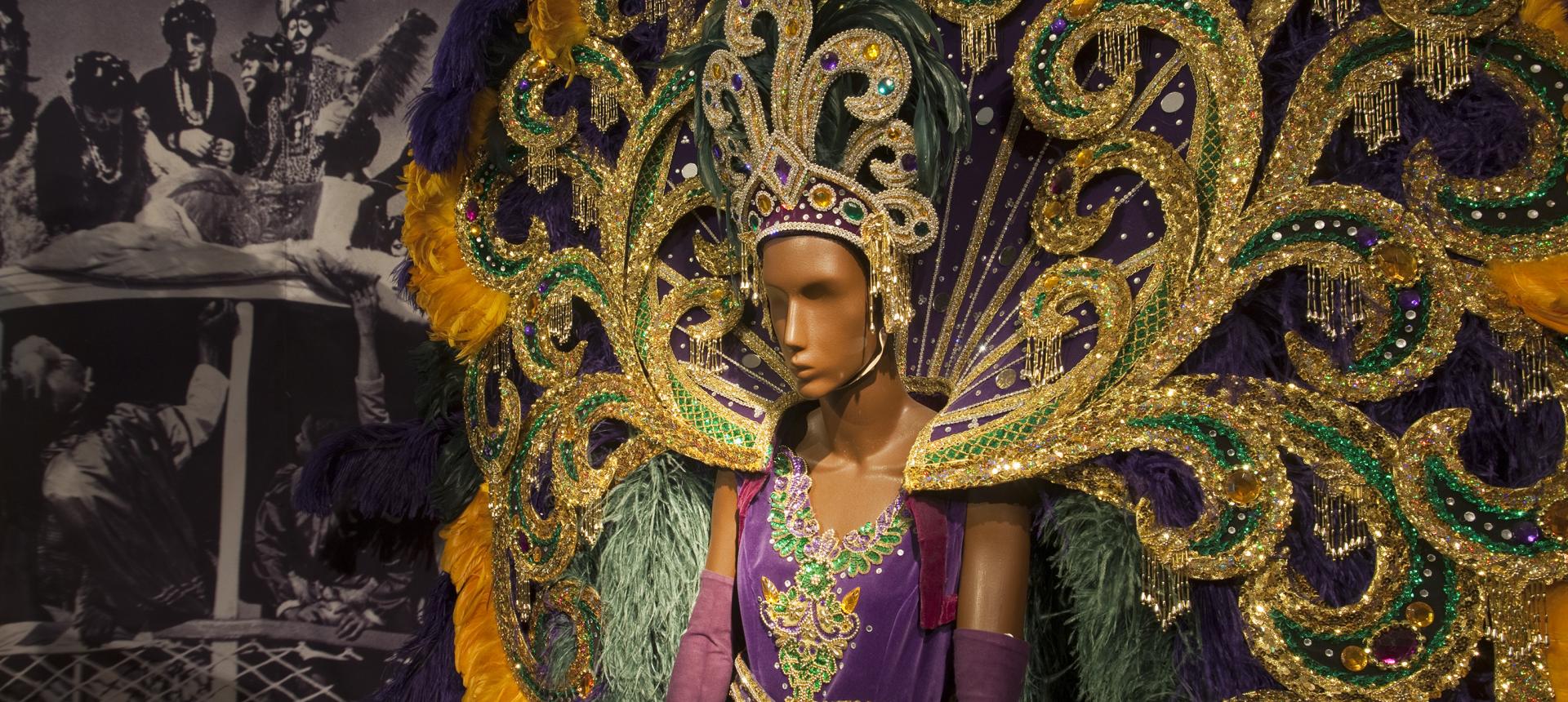
Upstairs, Mardi Gras: It’s Carnival Time in Louisiana! captures the artistry and revelry of Carnival with elaborate costumes, glittering floats, and the famed “Crown Jewels” of Louisiana’s krewes. See the creativity and joy that make Mardi Gras so uniquely Louisiana.
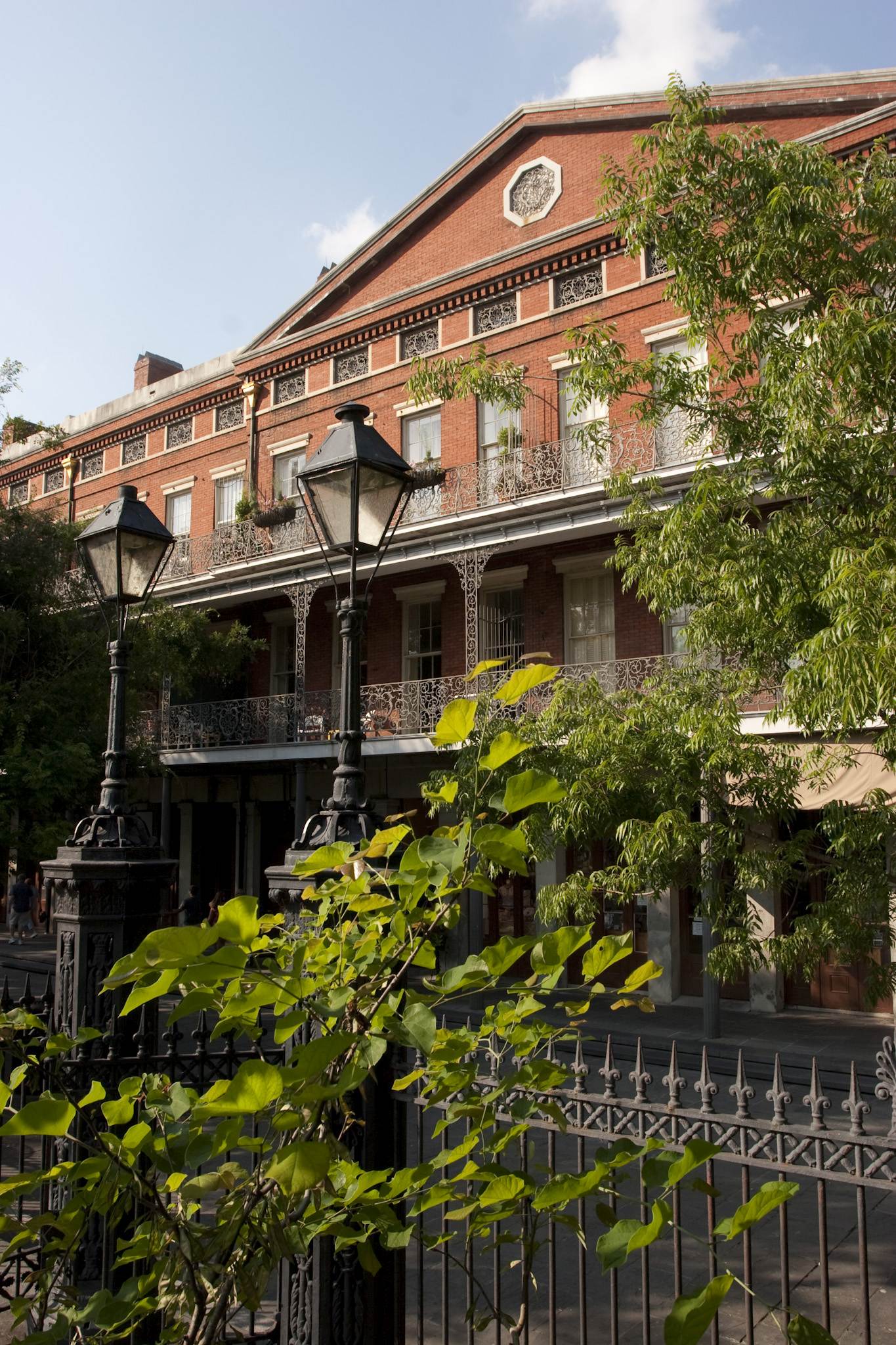 1850 HOUSE
523 St. Ann Street, Jackson Square
Built between 1849 and 1851 by Baroness Micaela Almonester de Pontalba, the elegant townhouses on either side of Jackson Square still serve their original purpose: private apartments above ground-floor shops.
The 1850 House museum is the only Pontalba apartment open to the general public. Furnished in the style and taste of a prosperous family in antebellum New Orleans, the museum is a showcase for furniture and decorative arts. Visitors will find outstanding examples of Old Paris porcelain, New Orleans silver, Prudent Mallard furniture, Aubusson carpets, and portraits by notable European and Louisiana artists.
On the ground floor, browse the Friends of the Cabildo’s museum shop for books and gifts, then sign up for guided walking tours of the French Quarter.
LOUISIANA CIVIL RIGHTS MUSEUM 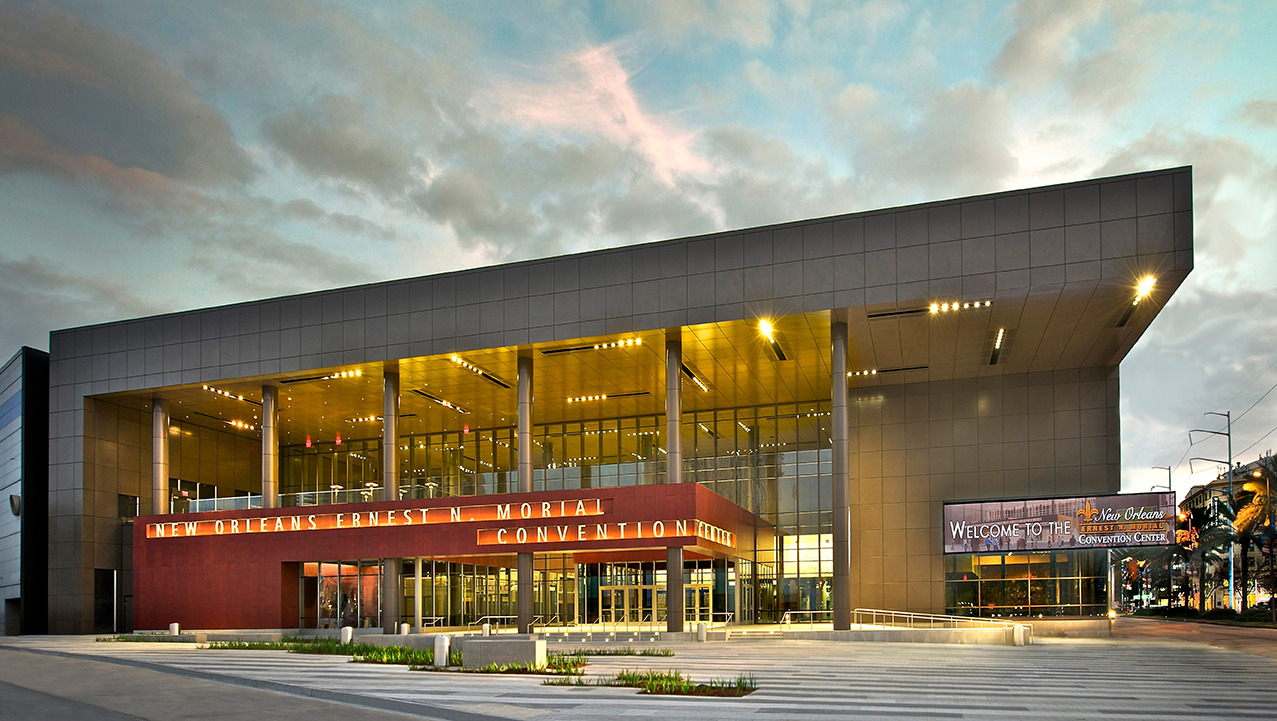
The New Orleans Ernest N. Morial Convention Center
(Inside the Julia Street Entrance)
Located within the Ernest N. Morial Convention Center in New Orleans, the Louisiana Civil Rights Museum honors the brave individuals who transformed our state and nation through courage, conviction, and a vision of equality. The museum examines Louisiana’s pivotal role in the national civil rights movement—from the Baton Rouge bus boycott that inspired a similar protest in Montgomery to landmark school desegregation cases and the emergence of powerful student-led activism.
Through powerful oral histories, interactive displays, and videos, visitors encounter the personal stories behind the struggle for justice, including those of community leaders, clergy, students, and everyday citizens who stood up against discrimination and violence. Each gallery highlights the celebrated and unsung heroes whose actions shaped the course of American democracy.
As the first state-operated civil rights museum in Louisiana, this institution serves as a space for learning, reflection, and inspiration. It reminds us that the pursuit of freedom and equality is not just history; it is an enduring commitment that continues to shape the spirit of Louisiana.
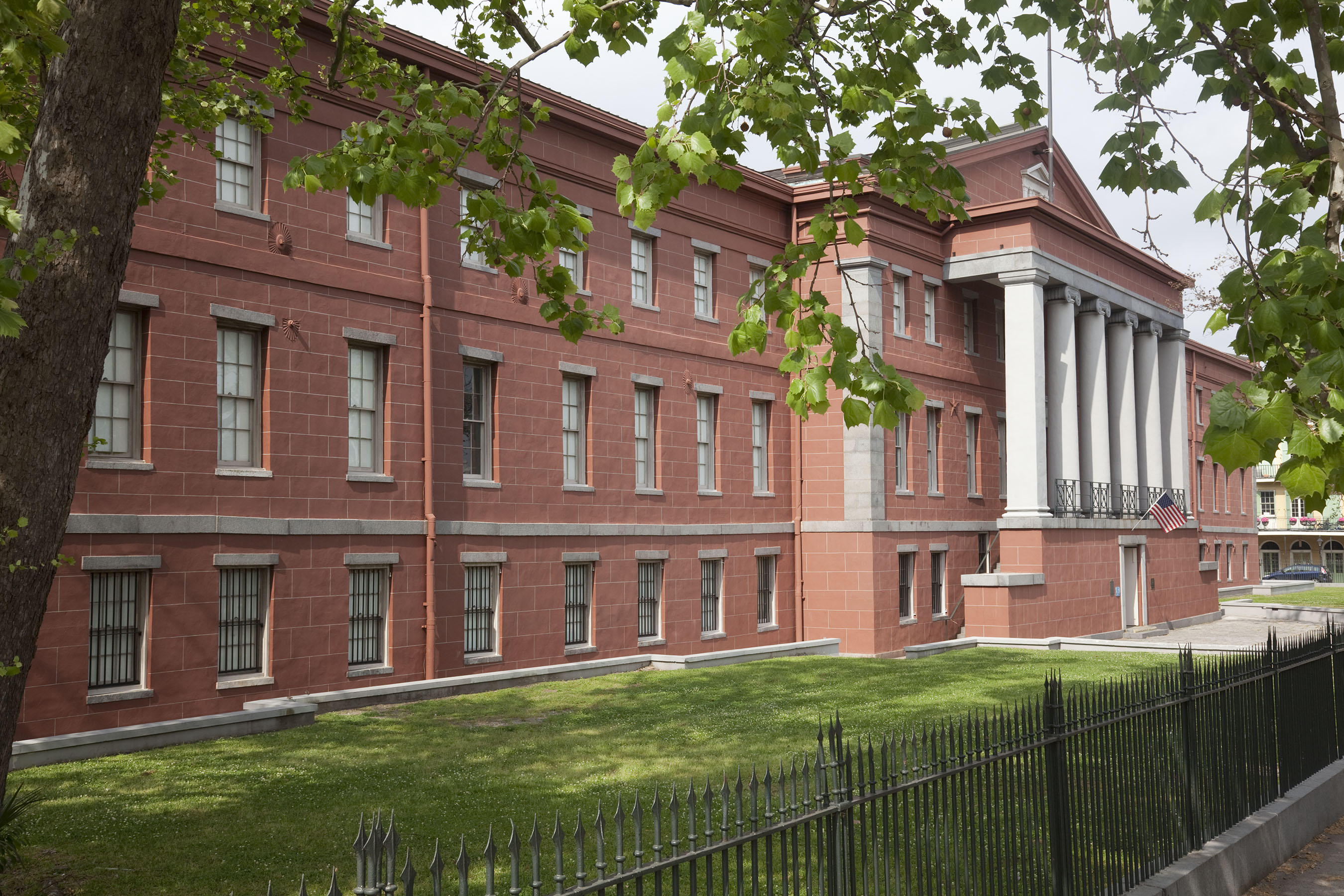 NEW ORLEANS JAZZ MUSEUM
400 Esplanade Avenue, French Quarter
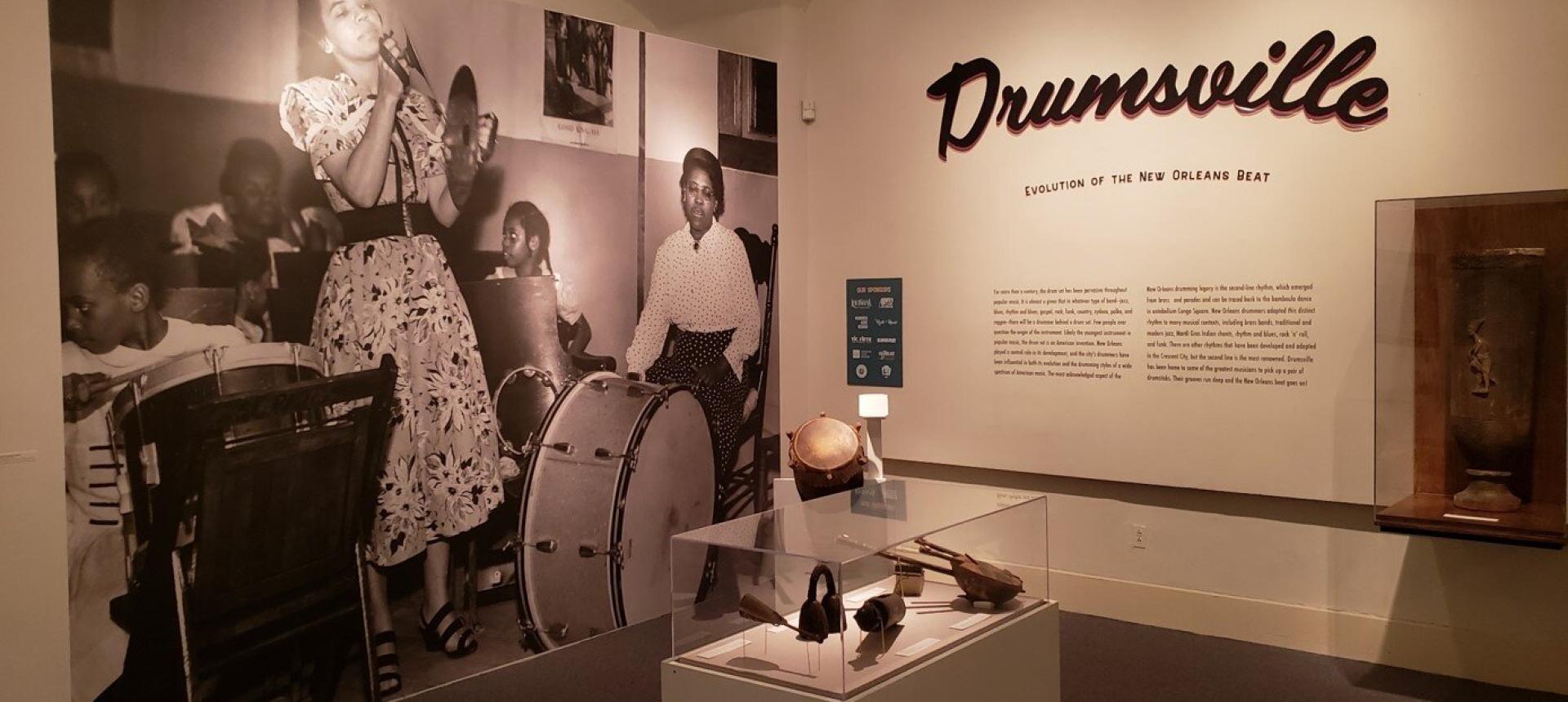
Located in the historic Old U.S. Mint, the New Orleans Jazz Museum celebrates the city where jazz was born and continues to evolve. Exhibitions showcase Louisiana’s unmatched musical heritage, featuring treasures like Louis Armstrong’s first cornet alongside rare instruments, recordings, and photographs. Nearly every day, the museum fills its state-of-the-art performance space with live music that keeps the spirit of jazz alive. Most programs are free and open to the public. For current schedules and upcoming performances, visit NolaJazzMuseum.org/Events.
LOUISIANA HISTORICAL CENTER
Also housed in the Old U.S. Mint, the Louisiana Historical Center is one of the nation’s leading archives for the study of Louisiana’s past. Its holdings include colonial-era manuscripts, maps, photographs, and rare documents, as well as extensive research collections. Research sessions are available by appointment, please visit LouisianaStateMuseum.org/ReadingRoom.
Heading out of town?
Visit our four other museums across the state for even more educational fun. For additional information, check out LouisianaStateMuseum.org.
Friends of the Cabildo Walking Tours
Led by city-licensed guides, our two-hour French Quarter walking tours highlight the history, architecture, and folklore of New Orleans's oldest neighborhood. Tours depart daily from the 1850 House at 10:30 a.m. and 1:30 p.m. Tickets are available at the 1850 House; reservations are recommended but not always required. For questions or bookings, call 504-523-3939 or visit FriendsoftheCabildo.org.
School & Group Visits
School visits to all museum properties are free when reserved in advance. Group discounts apply for groups of 15 or more (with reservation). To schedule, please call 504-568-6980.
Special Events
Our historic properties are available for weddings, parties, corporate receptions, and more. Visit LouisianaStateMuseum.org/Celebrate for more information.