Introduction to Reconstruction in Louisiana
The American Civil War was fought over slavery. It split the United States into the Union in the North and the Confederacy in the South. After the Union won the war and the 13th Amendment[1] was ratified in 1865, enslaved Black Americans were finally freed. The United States was closer than ever before to fulfilling its promise of being a democratic nation of free and equal citizens. But there was more work to be done.
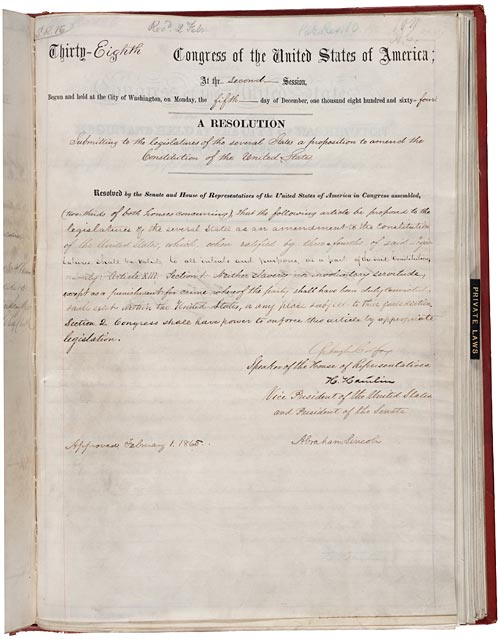
The House Joint Resolution Proposing the 13th Amendment to the Constitution,
January 31, 1865; Enrolled Acts and Resolutions of Congress, 1789-1999;
General Records of the United States Government; Record Group 11; National Archives.
The country was torn apart. Battles had destroyed transportation systems, industry, and agriculture. More than half a million people died in the Civil War, which is still the bloodiest conflict in US history. President Abraham Lincoln was assassinated just days after the war ended, causing uncertainty about the government’s stability and fear of future political violence. Among all this, anti-Black racism fueled ongoing tensions in communities across the country.
Reconstruction, the period from 1865 to 1877, was the federal attempt to rebuild the nation after the Civil War. One goal of Reconstruction was to integrate formerly enslaved Black Americans into free society. This meant granting Black Americans basic rights they had long fought for, such as citizenship, the right to vote, and equal treatment under the law. Another goal was to reunite the states, which required admitting the seceded Southern states of the Confederacy back into the Union. Reconstruction was an opportunity to set the country on a course toward greater racial justice and political unity.
However, many former members of the Confederacy and their allies refused to accept the social and economic changes brought by the end of slavery. During Reconstruction, the Federal government tried to enforce these changes using political control and military force throughout the South. Many white Southerners deeply resented federal interference in their states and the increasing political power of Black Americans.
Key events in Louisiana are representative of the achievements, difficulties, and tragedies that rocked the nation during this turbulent time. Through the following modules, primary sources from the Reconstruction period in Louisiana will reveal how all three branches of government and the American people were involved in the struggle to rebuild the United States after the Civil War, covering:
- the impact of new state and federal laws and legislation;
- the drama of contested elections and the importance of the right to vote;
- the role of local and national courts in shaping the government;
- and the influence of everyday citizens engaged in violent and nonviolent public action.
Ultimately, Reconstruction reunited the states. But it did not stamp out deeply entrenched anti-Black racism. After Reconstruction, Black Americans faced continued unequal treatment and racialized violence. The period also intensified differences between political parties.
The events of Reconstruction still impact the nation today. Learning from this period can help students understand current and ongoing conversations around racial equity, federal vs. state control, voting rights and access, and the role of the Supreme Court.


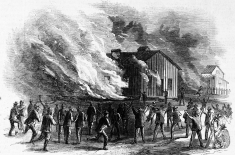

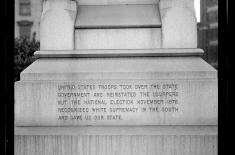
Late Reconstruction: Tested Amendments, Disputed Elections, and Continued Violence, 1870–1877

Funded by a grant from the Library of Congress Teaching with Primary Sources program. Content created and featured in partnership with the TPS program does not indicate an endorsement by the Library of Congress.